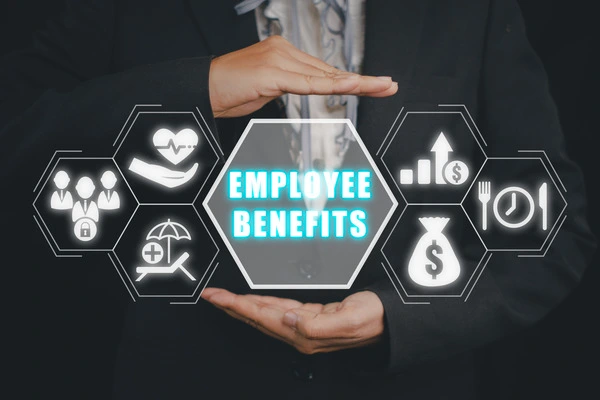

In the UAE’s fast-moving job market, salary alone is no longer enough to attract and retain talent. Today, employee benefits in UAE play a major role in how employees choose where to work and whether they stay long term. From basic offerings like health insurance for employees UAE to well-defined annual leave policy UAE, companies are expected to provide benefits that support both professional and personal well-being.
At the same time, organizations must stay aligned with UAE labor law employee benefits and provide all mandatory employee benefits UAE, including end of service benefits UAE. With a large expatriate workforce, understanding employee benefits for expats working in UAE has also become essential for HR teams.
This guide breaks down everything you need to know—from legal requirements and gratuity calculation UAE to evolving workplace expectations. Whether you’re an employer building a compliant benefits structure or an employee trying to understand your rights, this UAE employee benefits guide will help you navigate the essentials in a clear and practical way.
Why Employee Benefits in UAE are More Important Than Ever
If you look at how people choose jobs in the UAE today, it’s clearly not just about salary anymore. Most employees now pay close attention to what comes along with it—things like health cover, leave, and overall support from the company. That’s where employee benefits in UAE start to matter a lot more than they used to.
For many professionals, especially those who’ve moved here for work, these benefits aren’t just extras—they’re something they depend on. Basic things like medical insurance or time off can make a big difference in day-to-day life. And if a company doesn’t offer that properly, people usually don’t wait around—they start looking for better options.
From the employer’s side, it’s become pretty clear that offering only the standard package isn’t enough anymore. Yes, following UAE labor law employee benefits and covering all the required parts is important, but employees often expect a bit more than that now. Even small additions—like better leave flexibility or support during relocation—can change how someone feels about staying with a company.
In a place like the UAE, where the workforce is so mixed and competitive, these details really add up. Companies that get this right tend to keep their people longer, and word spreads quickly when they don’t.
Employee Benefits and Workforce Retention
Keeping employees isn’t just about offering a good salary anymore. In the UAE, people usually look at the overall package before deciding whether to stay or move on. Things like job security, support from the company, and everyday benefits matter just as much. That’s why employee benefits in UAE have become a big part of retention.
Most companies already follow UAE labor law employee benefits, but what really makes a difference is what they offer beyond the basics. When employees feel looked after, they’re naturally more likely to stay and stay motivated.
Here are some benefits that actually make an impact:
- Earned wage access, which helps employees manage expenses without stress
- Incentive programs that reward performance in a clear way
- Wellness support, whether it’s health checkups or mental well-being initiatives
- ESOPs, for those companies that want to give long-term value
- Simple recognition programs that make employees feel noticed
Along with these, basics like health insurance for employees UAE and proper end of service benefits UAE still matter a lot. If these aren’t handled well, it quickly affects trust.
In the end, companies that get this right don’t just reduce attrition—they build teams that actually want to stay. And in a competitive market like the UAE, that makes all the difference.
Mandatory Employee Benefits in UAE
In the UAE, employee rights are clearly defined, and companies are expected to follow them as part of everyday operations. These rules are not just about avoiding penalties—they also help create a fair and stable work environment. When businesses properly follow UAE labor law employee benefits and provide all mandatory employee benefits UAE, it builds trust with employees and makes it easier to retain talent over time.
For HR teams and employers trying to stay on track, it’s important to understand how these requirements fit into the larger framework of employee benefits in UAE. If you’re looking for more insights on HR practices, compliance, and workforce management in the region, you can also explore resources on Zimyo Middle East.
Below is a simple breakdown of the key benefits that employers are required to provide under UAE law:

1. Annual Leave and Public Holidays
In the UAE, time off isn’t just a perk—it’s something employees are legally entitled to. Along with salary, these basic employee benefits in UAE help people take a break from work and avoid burnout. Most companies follow the same structure since it comes under UAE labor law employee benefits.
Annual Leave
- After completing one year with a company, employees usually get 30 days of paid leave in a year.
- If someone hasn’t completed a full year, the leave is given based on how many months they’ve worked.
- In some cases, unused leave can be adjusted later or paid out, depending on company policy.
Public Holidays
Apart from annual leave, employees also get paid holidays during the year. These are part of the standard mandatory employee benefits UAE, although exact dates can shift slightly because some are based on the moon calendar.
Significance
Accurate leave tracking ensures compliance with labor laws and aids employees’ physical and mental health, leading to increased productivity and retention.
2. Gratuity / End-of-Service Benefits
The UAE labor law requires end-of-service gratuity, a monetary benefit for long service. The major points are:
Calculation
- 1–5 years of service: 21 days of basic salary for each year of service.
- Over 5 years: 30 days of basic salary per year of service for the extra years.
- Maximum gratuity: Two years’ total pay.
Purpose
This advantage serves as a financial safety net for workers exiting the organization and encourages long-term tenure.
Illustration
A worker who has worked for 6 years at a monthly rate of AED 10,000 would receive 21 days yearly for the initial 5 years and 30 days during the 6th year.
Retirement Impact on Retention
An open gratuity policy improves employee loyalty and assists in retention measures.
Over 70% of GCC companies are automating end-of-service gratuity calculations to enhance efficiency and ensure compliance with evolving labor laws
3. Health Insurance of Employees
In the UAE, health cover is a basic part of employee benefits in UAE. Employers are expected to provide it as part of UAE labor law employee benefits, making it one of the key mandatory employee benefits UAE.
- Employers usually arrange and pay for employee health insurance
- Rules can vary slightly across different emirates
- Basic coverage is provided, with options to upgrade in some cases
Because of this, health insurance for employees UAE is something most employees consider essential when choosing a job.
Coverage Requirements
- Full medical coverage, including physician visits, medication, and hospital stays.
- Maternity services for qualified female employees.
- Emergency and special treatments, varying with the policy.
Compliance
- Dubai and Abu Dhabi have government-approved plans, and policies must comply with emirate-specific requirements.
- Employers are required to update policies on a yearly basis and ensure active coverage for all employees.
Strategic Benefits
Employee insurance is one of the most important components of wellness programs and directly affects employee satisfaction and retention.
4. FMLA and Family Leave
In the UAE, there isn’t a law exactly like the Family and Medical Leave Act, but employees are still given different types of leave to manage personal and family needs. These fall under employee benefits in UAE and are covered within UAE labor law employee benefits.
Maternity Leave
- 45 days paid maternity leave for employees who have served for one year and above.
- Half pay for employees serving less than one year.
Paternity Leave
5 days of paid paternity leave during the first six months of childbirth.
Parental Leave / FMLA
Employees can have access to further unpaid or partially paid leave to care for family members, based on company policy.
Impact on Employee Wellness
Offering these advantages builds employee-employer trust, facilitates work-life balance, and aligns perfectly with corporate wellness programs.
Simplify Benefits, Amplify Engagement
Extra Points
Certain extra points are
Documentation
Employers are required to have proper records of leave, health insurance, and gratuity payments with Document Management to ensure compliance with labor audits.
Integration with Corporate Policies
Although minimum requirements are established by law, businesses often provide supplemental benefits such as wellness programs, flexible working hours, or education allowances to enhance employee contentment.
Optional Employee Benefits in UAE
Not everything employees value is written into law. Along with the required benefits, many companies also offer extra perks to make roles more attractive and keep people motivated. These optional additions have become an important part of employee benefits in UAE, especially in competitive industries.
When done well, they can improve day-to-day experience at work and help companies stand out, even if the core package is similar elsewhere.
1. Housing Allowances
With high living expenses, many firms offer monthly housing allowances or accommodation support, especially for expatriates.
Relocation Assistance
International hires may receive support with:
- Visa sponsorship
- Flight reimbursements
- Temporary housing
- Moving expenses
Impact: Efficient relocation improves employee happiness and reduces early turnover.
3. Educational Assistance
Tuition reimbursement for employees’ children is a valuable benefit that enhances retention strategies and promotes loyalty.
4. Flexible Work Arrangements
Flexible policies reduce burnout and improve productivity. Common alternatives include:
- Remote work
- Compressed workweeks
- Personalized schedules
Additional Benefit: Flexible work arrangements complement corporate wellness and employee well-being initiatives.
Over 60% of the UAE workforce desires the option to work remotely full-time, reflecting a significant shift towards flexible work arrangements in the region.
5. Employee Reward and Incentive Programs
Recognition programs are a simple way to keep employees motivated and involved in their work. As part of employee benefits in UAE, many companies use these to appreciate efforts and improve overall engagement.
Examples include:
- Spot awards for instant recognition
- Bonus programs linked to performance
- ESOPs (Employee Stock Ownership Plans) for long-term value
- Employee rewards programs for consistent contributions
Even small recognition efforts can make employees feel valued and more connected to their work.
Note: Recognition programs are often bundled with Employee Assistance Programs (EAPs) to enhance overall well-being.
6. Perks at Work
Other workplace benefits that increase morale and job satisfaction include:
- Free food or snacks
- On-site fitness center memberships
- Transportation stipends
Manage, Monitor, and Maximize Employee Benefits
Emerging Trends in Employee Benefits in UAE
The way employee benefits in UAE are designed is changing as companies try to keep up with what employees actually want. Instead of only focusing on standard compensation, people now pay more attention to well-being, flexibility, and benefits that feel more personal.
Many organizations are responding by adding wellness support, using better HR tools, and even introducing eco-friendly initiatives. These small shifts are helping improve employee satisfaction, engagement, and overall productivity without completely overhauling existing benefit structures.
1. Wellness Programs and Mental Health Support
UAE firms are increasingly focusing on programs that support physical and psychological health. Typical provisions include:
- Gym memberships and exercise classes
- Mindfulness and meditation sessions
- Stress management workshops
- Employee Assistance Programs (EAPs)
Impact: With workplace burnout on the rise, investing in mental health coaching, resilience programs, and wellness allowances improves engagement. Customized wellness options allow employees to select services that best fit their needs, enhancing overall satisfaction and productivity.
2. Personalized Benefits Through HR Tech 4.0
Employees now expect tailored benefits, with over 60% considering them essential and 95% rejecting a one-size-fits-all approach. Companies are responding by implementing HR Tech 4.0 solutions powered by AI and analytics.
AI-driven platforms allow employees to choose perks such as:
- Extra days off
- Childcare assistance
- Learning and development allowances
Employer Advantage: Real-time analytics help companies optimize benefit spending, enhance engagement, and reduce turnover, transitioning from generic to data-driven, personalized benefits.
3. Sustainable and Eco-Friendly Employee Perks
Sustainability is increasingly shaping employee expectations. Companies are adding eco-friendly initiatives to their benefits strategies, such as:
- Public transport allowances and green commuting incentives
- Carbon offset programs
- Green office spaces and sustainable workstations
- Healthy meal options and awareness campaigns
Impact: Environmentally conscious benefits not only support UAE sustainability goals but also attract and retain employees who value corporate social responsibility and environmental stewardship.
Your Complete Solution for Employee Benefits
The Role of HR Technology in Employee Benefits
HR Tech has transformed how companies manage and deliver employee benefits in the UAE. The integration of advanced technology has made benefits administration more personalized, data-driven, and efficient.
1. AI-Driven Personalization
Personalized employee perks are now tailored based on:
- Employee preferences
- Family status
- Job role
Impact: This customization enhances benefits utilization, employee satisfaction, and overall engagement by offering perks that truly match individual needs.
2. Real-Time Analytics
HR Tech enables organizations to track:
- Benefits usage
- Employee satisfaction
- ROI of employee wellness programs and Employee Assistance Programs (EAPs)
Benefit: Data-driven insights help HR teams optimize incentive programs, wellness initiatives, and retention strategies, ensuring better value for both employees and employers.
3. Seamless Integration of Wellness Platforms
The integration of multiple HR and wellness systems allows employees easy access to essential well-being resources, including:
- Insurance platforms
- EAP services
- Corporate wellness programs
Result: This seamless experience promotes financial, physical, and mental well-being, leading to a healthier, more motivated workforce.
Shaping the Future of Employee Benefits
The UAE is witnessing a shift in employee benefits as organizations focus on well-being, personalization, and sustainability.
Wellness Programs and Mental Health Assistance: Gym memberships, mindfulness sessions, stress management workshops — boost engagement and reduce burnout.
Tailored Benefits Through HR Technology: Additional leave, childcare assistance, education allowances — improve satisfaction, productivity, and retention.
Environment-Friendly and Sustainable Perks: Public transport allowances, green office programs, carbon offset initiatives — support UAE sustainability and engage employees.
Over 70% of GCC organizations have adopted AI in at least one business function, with 57% allocating over 5% of their digital budgets to generative AI.
Creating a Competitive Employee Benefits Strategy
To retain best talent:
Evaluate Employee Preferences – Use surveys and feedback tools to understand employee needs.
Align Benefits with Company Objectives – Offer incentives and career progression tied to performance.
Ensure Adherence – Comply with UAE labor laws and Emiratisation regulations.
Harness Technology – Use HR Tech 4.0 for efficient benefits administration and monitoring.
Measuring ROI on Employee Benefits
Measuring ROI on Employee Benefits
- Monitor important metrics:
- Employee satisfaction ratings
- Retention percentages
- Improvement in productivity
- Benefits usage rates
Tools such as AI-based HR systems offer dashboards to track employee benefits packages, employee insurance, and EAP services.
Practical Tips for Businesses: Providing Employee Benefits Within a Limited Budget
Small businesses tend to have narrower budgets, yet providing effective employee benefits need not be costly. Even small frills can go a long way in boosting employee morale, retention, and overall job satisfaction. Here are practical tips:

1. Small Team Health Insurance Plans
- Personalized Coverage: Small companies can opt for straightforward, wide-ranging health insurance policies covering core medical needs at lower costs than corporate-level plans.
- Emirate-Specific Compliance: Ensure health insurance complies with local legislation, particularly in Dubai and Abu Dhabi, where coverage is mandatory.
- Optional Add-Ons: Consider adding maternity coverage, dental, or wellness benefits as optional add-ons employees can choose.
- Example: A 10-person startup could select a simple group insurance plan for hospitalization and outpatient services at a much lower cost per employee than high-end corporate plans.
2. Flexible Schedules and Remote Work
- Flexible Hours: Allow employees to choose start and end times to enhance work-life balance.
- Remote Work Options: Even a half-and-half work-from-home schedule can boost productivity, reduce commute stress, and make small businesses more attractive.
- Low Cost: Flexible arrangements are inexpensive yet improve employee satisfaction and retention.
- Tip: Use project management tools to maintain accountability and workflow while offering flexibility.
3. Performance-Based Employee Incentive Programs
- Incentives Without Large Budgets: Use performance bonuses, ad hoc rewards, or commission-based incentives based on measurable results.
- Non-Monetary Rewards: Reward achievements with certificates, awards, or tokens of appreciation to reinforce positive behavior and boost morale.
- Example: Quarterly bonuses for sales or project milestones, or an “Employee of the Month” recognition program.
4. Recognition Programs and Simple Perks at Work
- Low-Cost Recognition: Recognize employee efforts through shout-outs, emails, or team meetings to build loyalty and engagement.
- Perks at Work: Flexible lunch hours, dress-down days, team-building events, free coffee or snacks, and occasional team lunches improve morale at minimal cost.
- Tip: Celebrate birthdays and work anniversaries to make employees feel valued.
5. Use Technology to Save Costs
- Implement cost-effective HR and payroll software to track leave, benefits, and incentives while ensuring compliance with UAE labor laws.
- Employee wellness apps and web-based recognition software can drive engagement without significant investment.
6. Communicate and Customize Benefits
- Clear Communication: Employees should know exactly what benefits they have and how to use them.
- Tailor Benefits: Conduct surveys to identify which benefits employees value most; sometimes flexible schedules or recognition programs are more appreciated than high-cost perks.
- Impact: Even a lean, well-communicated benefits package can significantly improve retention, engagement, and satisfaction.
Conclusion
When you look at it practically, employee benefits in UAE aren’t just about ticking legal boxes anymore. Yes, companies need to follow UAE labor law employee benefits and cover all the basics, but what really makes a difference is how they go beyond that.
Things like health insurance for employees UAE and end of service benefits UAE are expected. But employees usually remember the smaller things—flexible work options, support during tough times, or even simple recognition for their work. That’s what often decides whether someone stays or starts looking elsewhere.
A lot of companies are now trying to manage all of this in a simpler way. Tools like Zimyo help bring everything together, so HR teams don’t have to handle benefits, payroll, and compliance separately.
At the end of the day, in a place like the UAE where people have options, companies that get their benefits right usually find it easier to keep their teams happy and stable.
Simplify Employee Benefits from Day One to Retirement
Frequently Asked Questions (FAQs)
What are the allowances in salary in the UAE?
Common allowances include housing, transport, and utility allowances, depending on the employer.
Does UAE offer employee benefits?
Yes, the benefits include end-of-service gratuity, paid leave, and health insurance.
What is employee benefit?
An employee benefit is a perk or compensation offered in addition to salary in order to enhance well-being and satisfaction.
In what ways does HR Tech support employee benefits?
HR automates administration, personalizes benefits, monitors usage, and calculates ROI on employee wellness initiatives and EAP services.